
Fred Astaire: The Architect of Elegance
There have always been men who dress well, men who possess taste, men who can afford expensive clothing, and then there was Fred Astaire. He belonged to a rarer species entirely. He did not merely wear garments; he animated them. He made cloth move like music and made discipline appear effortless.
Born Frederick Austerlitz on May 10, 1899, in Omaha, Nebraska, he would become Fred Astaire, one of the greatest dancers and most enduring style icons in modern history. He was the son of Johanna and Fritz Austerlitz, and the younger brother of his beloved sister Adele, with whom he first conquered the vaudeville stage. Astaire married Phyllis Potter in 1933, and together they had two children, Fred Jr. and Ava. He died on June 22, 1987, leaving behind not merely films and choreography, but an enduring aesthetic code of masculine grace.
Fred Astaire is remembered by the masses for dancing across ceilings, gliding over polished floors, and making the impossible look casually effortless. Yet the discerning gentleman knows that Astaire’s true magic extended beyond the dance floor. He was among the greatest dressers of the twentieth century — a man whose wardrobe communicated confidence, discipline, wit, and charm without ever descending into excess. In an age now overrun by slovenliness, elastic waistbands, and men dressed like overgrown adolescents, Fred Astaire stands as a rebuke.
The modern world mistakes expense for elegance, but Fred Astaire knew better. Elegance is proportion, restraint, and precision. It is the line of a lapel, the drape of a trouser, the knot of a tie, the break of a cuff. Most importantly, he possessed the confidence to know when enough was enough. He favored soft tailoring, unstructured jackets, clean lines, tasteful patterns, and fabrics that moved with the body rather than imprisoning it. He understood that style should never appear labored, for to look as though one tried too hard is to fail before leaving the house.
This is why I wrote in Stone’s Rules: “Fred Astaire broke this rule, but you’re not Fred Astaire.” That sentence has endured because it contains a brutal truth. Certain men possess such innate style, carriage, and authority that they may violate convention and emerge looking magnificent. Astaire could wear a button-down shirt with the collar open, sleeves rolled, and still look like the embodiment of masculine sophistication. The average man attempting the same often resembles someone who lost a bet. Rules exist because most people need them. Exceptions exist because legends transcend them.
Astaire’s genius was that he made informality look elegant, polished, and refined. He could loosen a tie yet somehow appear more put together than another man in full evening dress. He could wear flannel trousers, a simple sweater, and suede shoes while still projecting greater authority than a boardroom filled with modern corporate executives drowning in drab navy suits. This was not magic. It was mastery. He understood fit, posture, grooming, and bearing. Clothes are only half the equation.
The man inside them must know how to stand, walk, gesture, speak, and dance.
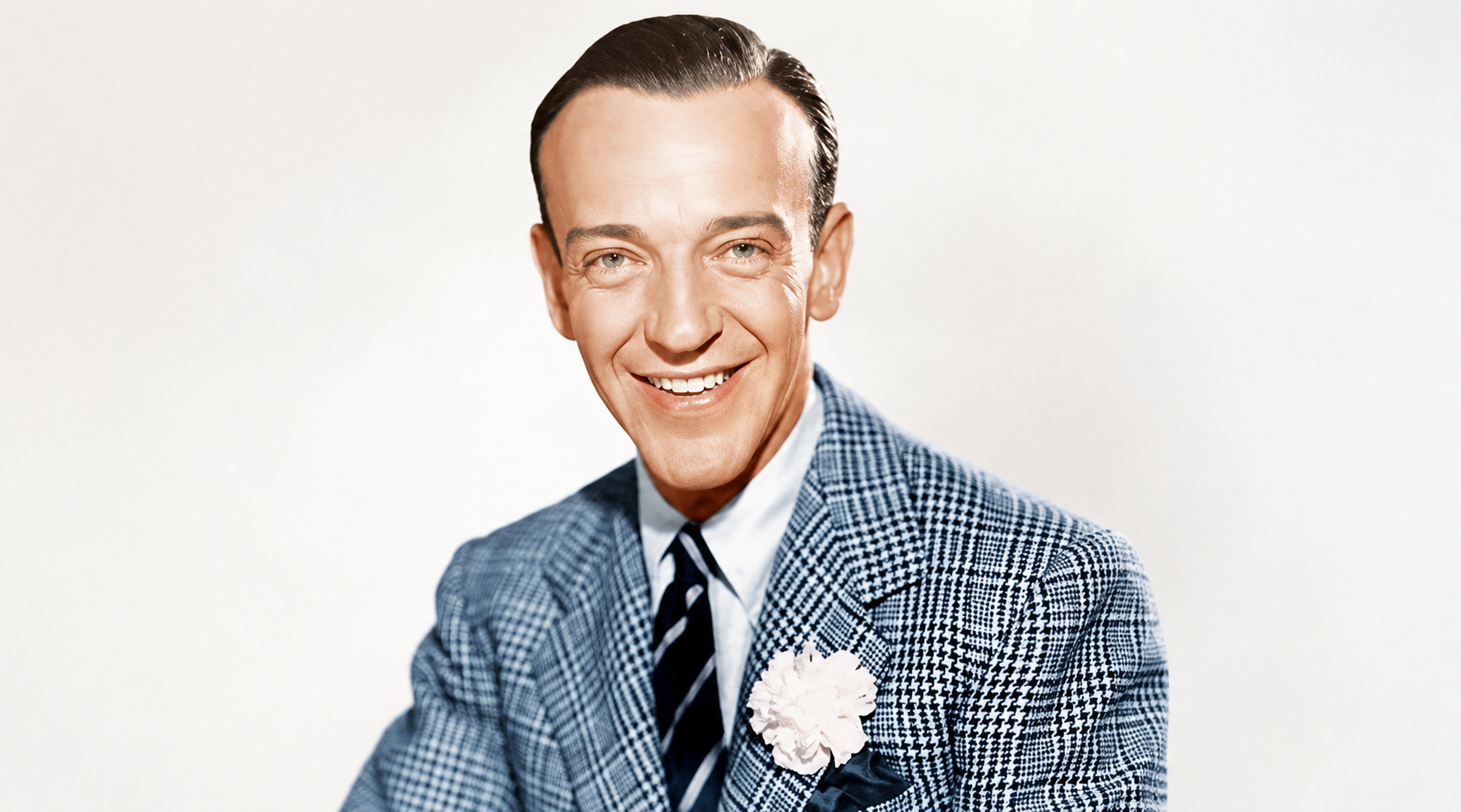
His hair was always neat but never severe. His grooming was exact without vanity. His smile was warm, his posture ramrod straight, and his movements economical and confident. Even stillness looked elegant on him, and that is the mark of a true stylist. Some men can pose well in photographs, but Astaire looked superb in motion, which is infinitely harder.
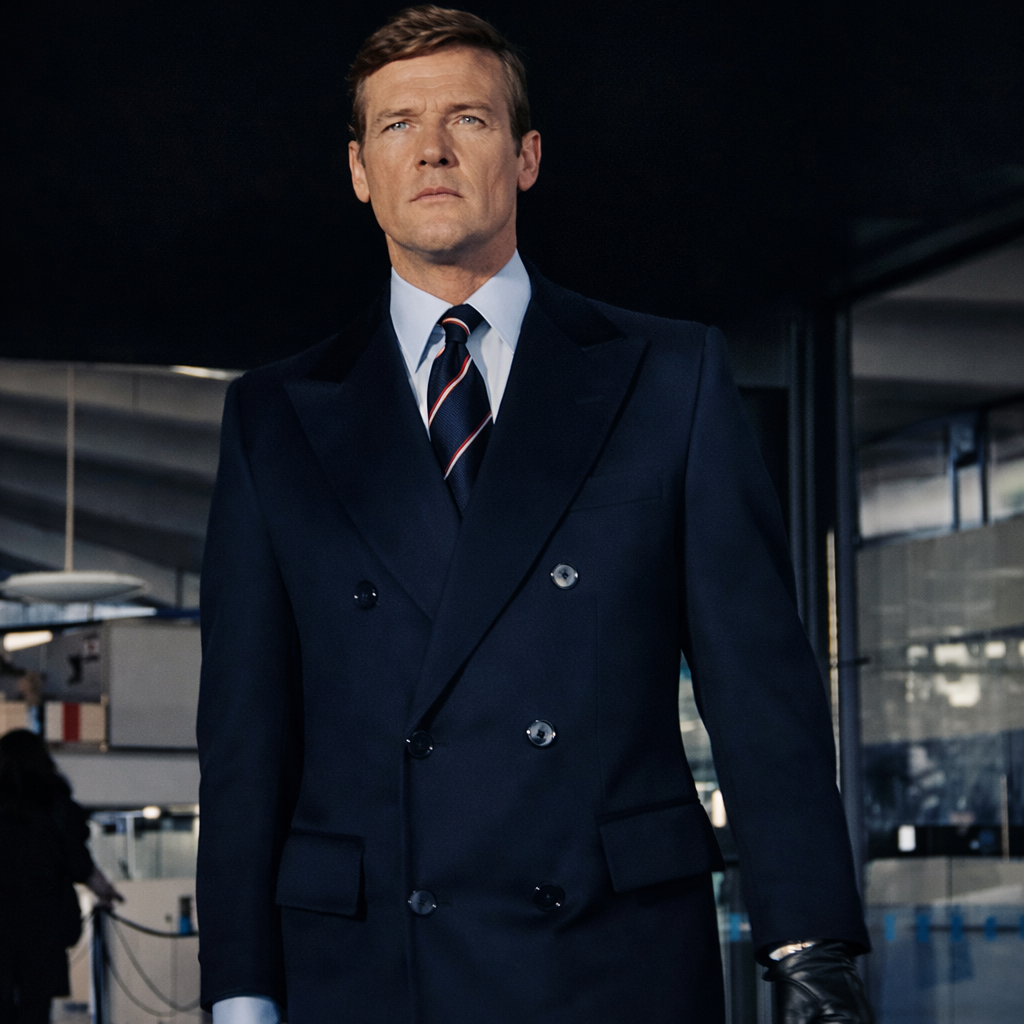
He favored neckties with character, pocket squares worn with insouciance, double-breasted jackets, dinner clothes of immaculate proportion, and the occasional bold flourish of color that lesser men would mishandle. He wore color with intelligence. He wore patterns with subtlety. He wore evening wear as if he were born in it. Today, many men look uncomfortable in a tuxedo, stiff, unnatural, and trapped inside formal costume. Astaire looked liberated by formality. This is because he understood something America once knew and has since forgotten: Dressing well is not oppression. It is self-respect made visible.
A well-dressed man elevates every room he enters. He honors the occasion, flatters those around him, and signals seriousness of purpose. The man in pajama pants and rubber sandals announces only surrender.
There was also courage in Astaire’s style. He did not chase trends. He did not dress to imitate the herd. He cultivated a signature style all his own and refined it over decades. That requires discipline and self-knowledge. A peacock seeks attention, but a gentleman commands it quietly. Astaire never needed to shout. His influence stretches farther than many realize. Countless actors, socialites, statesmen, and men of taste borrowed from the Astaire playbook, whether they admitted it or not. The relaxed dinner jacket, the perfectly tapered trouser, the confident use of accessories, and the principle that ease and polish need not be enemies all bear his fingerprints.
What lessons should the modern reader draw from Fred Astaire? First, fit is king. Second, posture matters as much as tailoring. Third, simplicity executed flawlessly defeats flamboyance executed poorly. Fourth, cultivate standards before attempting improvisation. Only after mastering the rules may one intelligently bend them. Which returns us to my admonition: “Fred Astaire broke this rule, but you’re not Fred Astaire.” Most men should fasten the collar, press the shirt, polish the shoe, and respect the basics. Earn those liberties. Astaire did.
At a time when culture celebrates disorder, Fred Astaire reminds us that civilization has a silhouette. It has clean cuffs, polished shoes, a proper tie, and the confidence to move through the world with grace. He was not merely a dancer. He was an argument for elegance itself.
And let us not forget the dancing, for that was the thunderbolt that first captured the world’s imagination. The steps alone remain worthy of endless praise — each movement a fusion of athleticism, precision, and charm. Fred Astaire was a showman of the highest order, yet never a showboat. He dazzled without vanity, astonished without arrogance, and entertained without descending into self-parody. Others may leap higher, spin faster, or imitate fragments of his craft, but no man will ever surpass the union of style, grace, rhythm, and effortless command that he embodied. He was known first for dance, yet it was his elegance that gave the performance its tempo and transformed motion into immortality.