
Actor Cesar Romero embodied the maxim that “to live well you must dress well.” He distinguished himself in an industry full of larger-than-life personalities as a true gentleman of style—someone who understood that impeccable dressing was far more than the clothes themselves; it was about how one moved through the world.
Born in New York City to Cuban immigrant parents, he was the grandson of Cuban national hero José Martí and often referred to himself as the “Latin from Manhattan.”
At the official black-tie dinner after the dedication of the Richard Nixon Presidential Library, my wife and I found ourselves seated at the table of the Century Plaza Hotel Ballroom with this Hollywood icon, then in his 80s. My wife literally swooned because he was still so handsome.
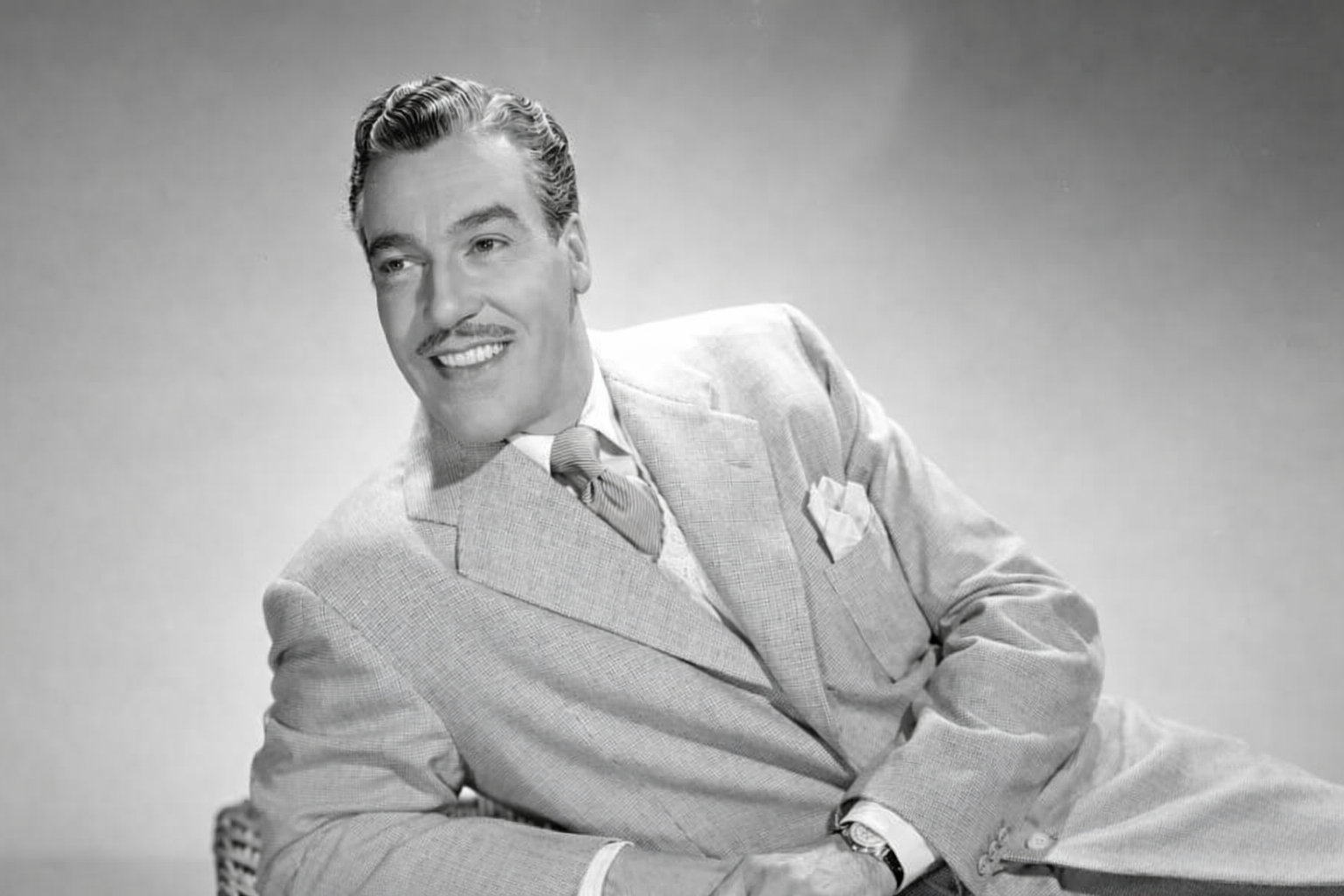
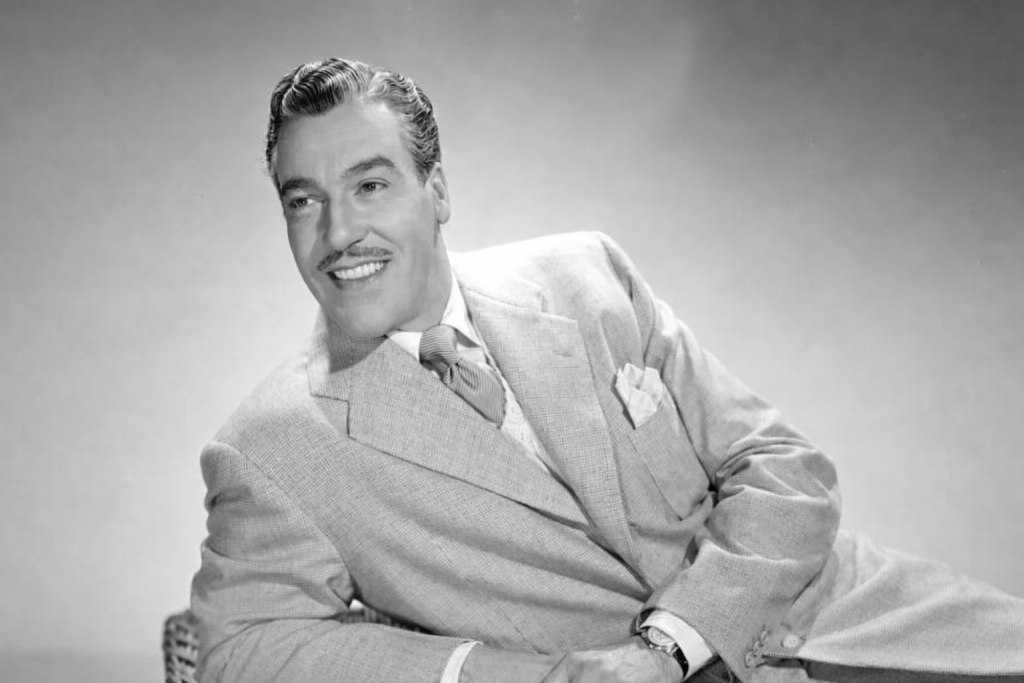
Romero carried the sunlit charm of mid-century Hollywood, where elegance was an everyday uniform. He reigned as the ultimate Latin leading man. Standing six-foot-three with a dancer’s graceful posture, a perpetual twinkle in his eye, and that trademark thick, perfectly groomed mustache, Romero embodied old-world charm wrapped in modern swagger.
Romero had a natural flair for dramatic yet refined, sharply tailored menswear. He often appeared in flawlessly cut three-piece suits crafted from fine wool, featuring subtle pinstripes or self-stripes. These were paired with narrow peak or notch lapels that beautifully elongated his already striking frame.
Cesar Romero possessed a natural gift for finesse like no other. The moment he entered a room, he lit it up, transforming even the simplest entrance. Whether on a red carpet, studio backlot, or glittering ballroom, he remained a quiet spectacle of dignified masculinity.
Born César Julio Romero Jr. on February 15, 1907, in New York City to Cuban immigrant parents, Cesar Romero’s early life was a blend of privilege and sudden reinvention. When his father’s sugar-export business collapsed in the wake of the 1929 Wall Street Crash, Cesar faced the onset of the Great Depression and learned resilience at an early age. Raised with a mix of refined schooling and street-smart adaptability, he soon discovered his natural gift as a dancer.
By the late 1920s, he was already lighting up Broadway stages in revues and plays. His fluid movements and magnetic presence quickly caught the eye of producers and audiences alike. That stage-honed poise became the very foundation of his screen persona: never frantic, always composed, and carrying a knowing smile that suggested he was enjoying a private joke all his own.
Cesar Romero made his film debut in the early 1930s with small roles before landing a memorable supporting part in the hit The Thin Man (1934). From there, he became a staple in light-hearted musicals and romantic comedies, often cast as the charming player who outshone the leads with sheer charisma.
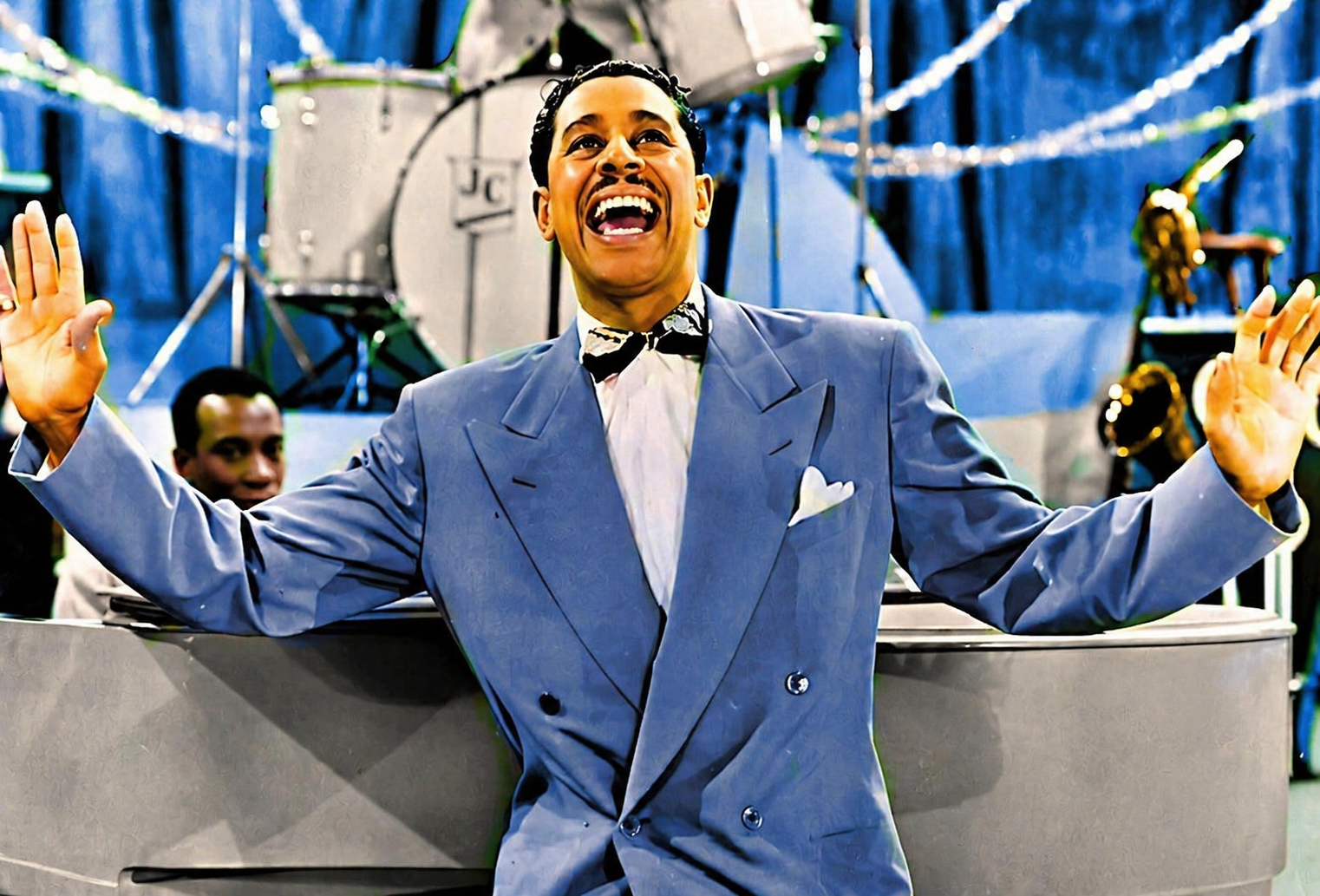
On screen, Romero captured a singular style: effortlessly debonair, with his distinctive Latin elegance that felt both cultivated and playful. He favored tailored suits that accentuated his tall, athletic frame—crisp double-breasted jackets with sharp peak lapels, luxurious silk ties, and pocket squares that added just the right touch of color and polish. Whether in formal evening wear or daytime ensembles, his outfits projected natural confidence with seemingly no effort, leaving an aura of timeless masculine allure.
Films such as Weekend in Havana and Springtime in the Rockies showcased his exceptional dancing skills alongside stars including Betty Grable and Carmen Miranda. Whether appearing in vibrant Technicolor musical extravaganzas or rugged Western adventures as the Cisco Kid, Romero elevated every scene with his courtliness.
He was never the conventional leading man who claimed the girl at the end. Instead, he was the charismatic presence who made every picture feel more vibrant and alive.
In the film Ocean’s 11 (1960), he played the smooth antagonist Duke Santos. Romero rotated through a series of gray business suits with slim, sharply peaked lapels and three-button fronts, always finished with a neatly folded pocket square and black tie for more formal scenes.
His commitment to personal style was so strong that, when cast as the Joker in the 1966 Batman TV series, he famously refused to shave his trademark mustache. The white clown makeup was simply applied over it, preserving his iconic look beneath the purple suit and green hair.
That iconic mustache—full, dark, and meticulously shaped—was utterly non-negotiable, as central to his identity as his tailored suits. He viewed it as a core element of his professional identity and refused to alter it, even for high-profile roles.
Off-screen, Romero lived the life of a true dandy with equal dedication. A confirmed bachelor and one of Hollywood’s most sought-after companions, he accompanied leading ladies to premieres while preserving an intriguing air of mystery.
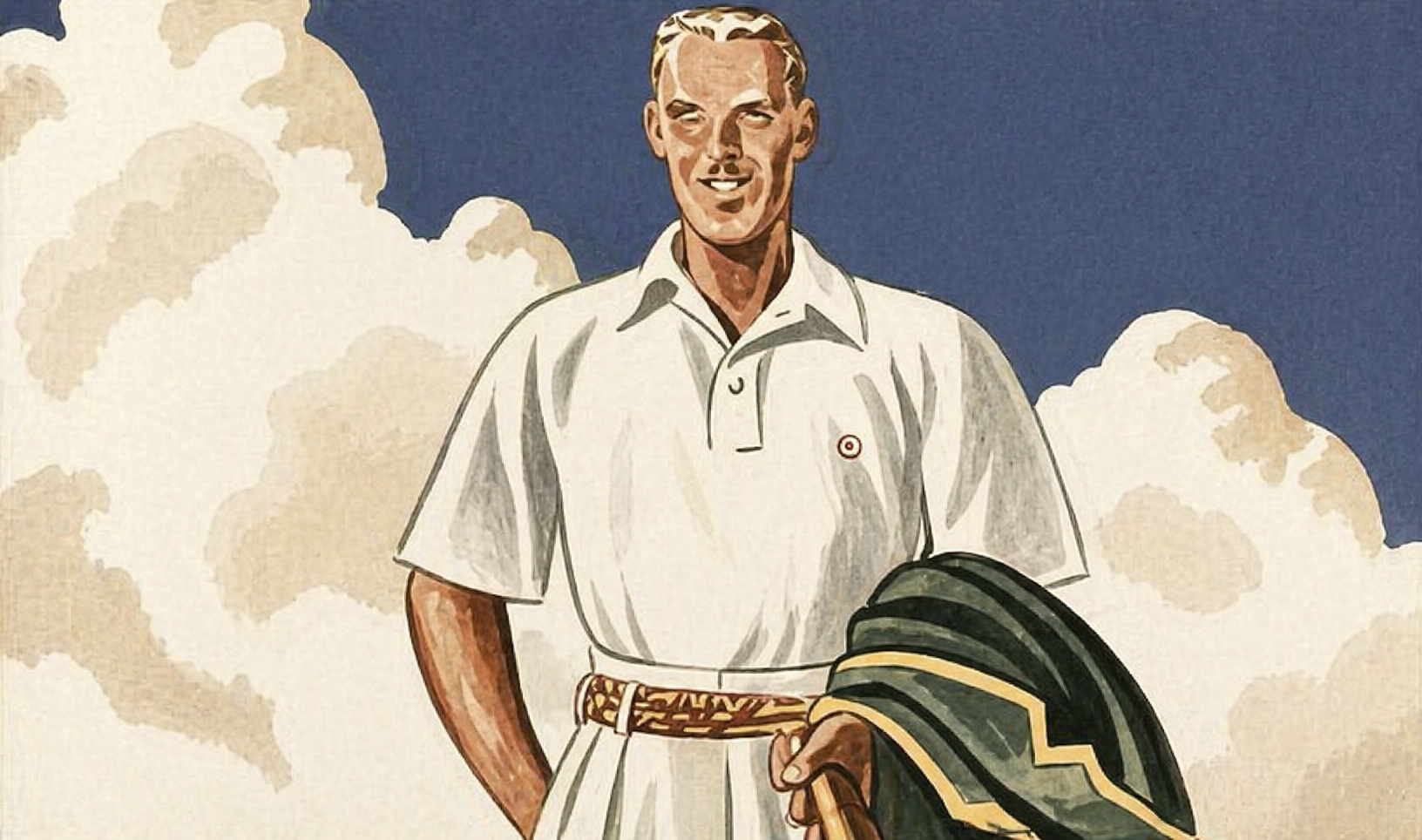
His meticulous grooming and dapper wardrobe made him a favorite spokesman for men’s clothing lines, with his mustache prominently featured in nationwide billboard campaigns. He moved through elite social circles with the same effortless grace he displayed on the dance floor, always exquisitely turned out—whether in crisp linens by day or perfectly fitted evening tuxedos that hugged his frame like a second skin.
Romero built an extraordinary wardrobe of 30 tuxedos, 200 sports jackets, and more than 500 suits, guided by the belief that “I can’t show up looking like somebody else.” He never appeared in the same outfit twice.
In 1963, Cesar Romero became the sophisticated ambassador for Petrocelli Clothes, an American menswear brand named after designer Anthony Petrocelli. His elegant image perfectly captured the spirit of the label’s tailored suits, and he was prominently featured in many of their advertising campaigns.
By 1972, Romero took his passions a step further by opening his own menswear stores in Chula Vista and San Diego, with additional locations later opening in areas such as Woodland Hills and Buena Park. The stores’ tagline perfectly reflected his personal philosophy: “Don’t settle for ‘just clothes’… Get the Cesar Romero look.”
For Romero, it was never mere vanity; it was an expression of self-respect and a form of personal storytelling. Even as his career evolved into character roles and television guest spots, including appearances in Disney films and Falcon Crest, Romero’s sophistication never faded.
Strangely enough, it was his portrayal of the Joker in the popular TV series Batman that Romero would probably achieve his greatest fame. The veteran actor refused to shave his mustache for the role, simply applying white makeup over his face.
Upon meeting him at the Nixon Library dinner, I told him he was the greatest Joker of all time, surpassing even Jack Nicholson in the role, to which the ever-confident Romero said, “People tell me that every day.”
His poise, his charisma, his photogenic presence, and his polished conservatism all set him apart. Cesar Romero possessed a clear and consistent political stance, remaining a dedicated Republican in Hollywood’s often liberal landscape. He lit up campaign trails with the same captivating presence he brought to the screen, supporting Nixon and Lodge in 1960, appreciating Henry Cabot Lodge’s firm anti-Communist stand, backing Barry Goldwater in 1964, and offering his support to Ronald Reagan across multiple bids for governor and president.
Cesar Romero passed away on January 1, 1994, having enjoyed a career that spanned more than six decades, from the early 1930s until the early 1990s, appearing in over 100 films while moving from the golden age of Hollywood musicals and comedies to memorable television roles in later years.
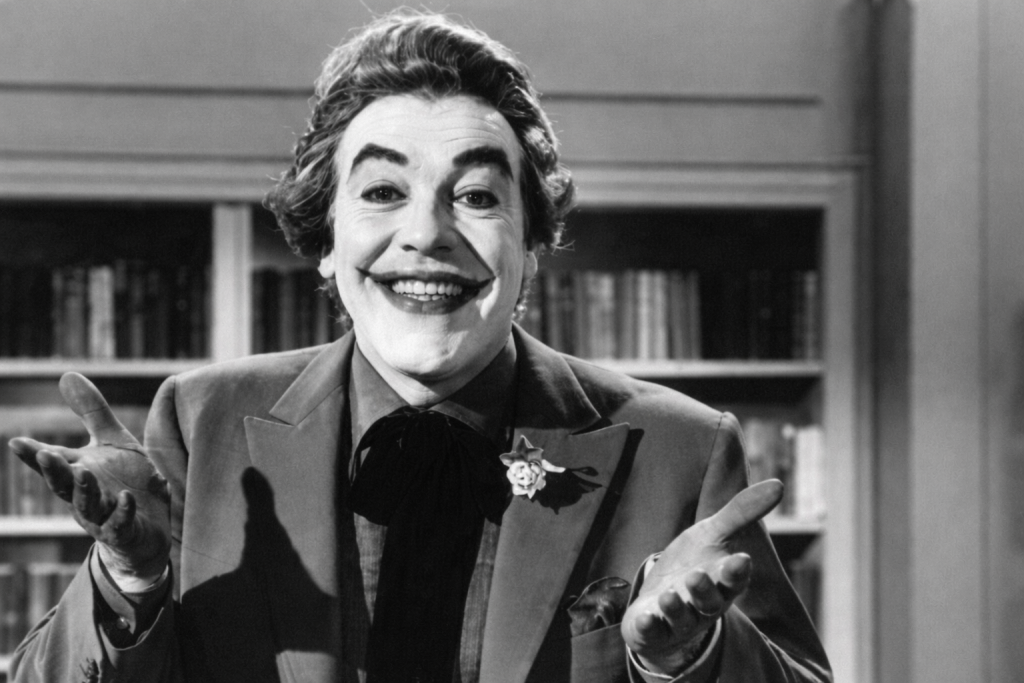
In an industry that often demanded conformity, he proved that individuality—expressed through a well-cut suit, a confident stride, and an unapologetic mustache—could create a lasting impact. He was more than an actor; he carried himself with suavity, humor, and an unshakeable personal courtliness.
Today, Cesar Romero’s influence continues to live on in the very essence of classic Hollywood style. Modern gentlemen still look to the golden age for inspiration, frequently referencing his sharp silhouettes and effortless, groomed confidence. He demonstrated that true debonair goes far beyond roles or passing trends—it is the quiet art of being utterly and unforgettably yourself.