
There is a gentle sophistication that is associated with the pocket square, an underrated, ever-so-subtle accessory that embodies the principle of refined gentleman’s style. I, for one, cannot leave my home without a nice silk pocket, square or a crisp linen handkerchief in the breast pocket of my jacket, for me, it would be like leaving the house naked. At minimum, a crisp, white cotton handkerchief.
Often overlooked as a minor detail, this classic, symmetrical piece of fabric elevates an outfit from ordinary to distinguished. Whether white cotton or luxurious silk, having a pocket square in the breast pocket signals impeccable attention to detail and respect for timeless style traditions.
Ornate, yet polished, the pocket square is the official stamp of refinement and confidence, crafted from finer materials like silk, linen, or lightweight wool; placed visibly in the jacket’s breast pocket.
A key distinction lies between the pocket square and the traditional handkerchief; the latter serves practical purposes, like wiping away sweat or tears and is typically tucked discreetly into a trouser or inner pocket, the former is purely decorative. The origin traces to ancient civilizations, starting as practical items before becoming symbols of status and style.
In ancient Egypt, small linen cloths, sometimes dyed with color, were used primarily for hygiene and relief from the heat, marking one of the earliest forms of the handkerchief, which later evolved into the decorative pocket square.
Similarly, wealthy Greeks carried a perfumed cotton version to shield themselves from unpleasant odors and diseases, a practice that persisted into medieval times.
In the storied arenas of ancient Rome, presiding magistrates gave the signal for chariot races to begin, such as the thrilling contests at the Circus Maximus, by tossing a mappa, a white cloth, into the arena. This act served as the ceremonial cue, releasing the chariots from their gates in a burst of speed.
Royalty has long influenced the handkerchief’s evolution, turning it from a practical item into a symbol of distinction and status. King Richard II of England (r. 1377–1399) helped popularize the cloth handkerchief as a personal accessory in the late 14th century. Tailor’s accounts from around 1398 record orders for small linen squares, likely inspired by continental French styles—marking one of the earliest documented uses in England.
Advancing to the 19th century, men began displaying this embellishment by folding the fabric purely for aesthetics rather than utility, just as the modern suit took shape and evolved into the unmistakable, structured ensemble we know today. During this era the breast pocket, a staple of suit jackets, emerged as the dedicated, visible home for such decorative squares and became firmly established.
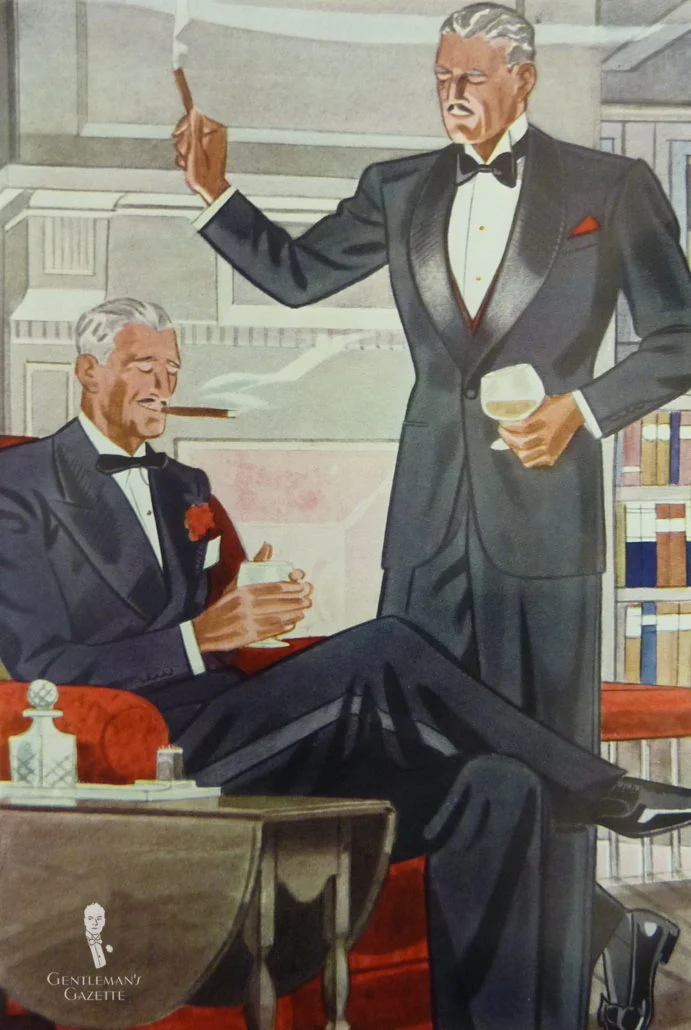
The 1920s and 1930s, often hailed as the Golden Era of menswear, anchored the art of this coordination in the pages of enduring style texts, making it customary for a well-dressed gentleman to harmonize his pocket square with a tie, shirt, or jacket.
At this point, both style and etiquette guides emphasized coordinating colors and patterns with shirts, ties, or suits to add flair and individuality. Gentlemen placed a decorative square in the jacket’s breast pocket for show, while keeping a functional handkerchief tucked discreetly in a trouser or inner pocket.
Resort wear guides celebrate pocket squares as versatile accessories that add polish to resort chic outfits. They lend an exotic touch when paired with tailored shirts and knee-length shorts—especially a clean white square for understated finesse.
For a relaxed twist, unbutton the top shirt button to reveal a subtle glimpse of toned chest, then add a boldly patterned pocket square for a confident pop of personality. The result: cohesive, bold elegance—perfect for the beach and beyond.
As the wearer moves, the lightweight fabric of the square flutters ever so slightly, drawing the eyes to the subtle interplay of color and texture against the relaxed fit of the shorts, blending sophistication with island allure. This ensemble adds a polished yet playful touch that elevates from the pocket square.
Silk pocket squares introduce both texture and vibrance. Available in bold patterns, quiet prints, or solid colors, they allow for personal expression. A patterned silk square can echo colors in a tie for harmony or provide a contrasting pop that draws the eye upward, framing the face.
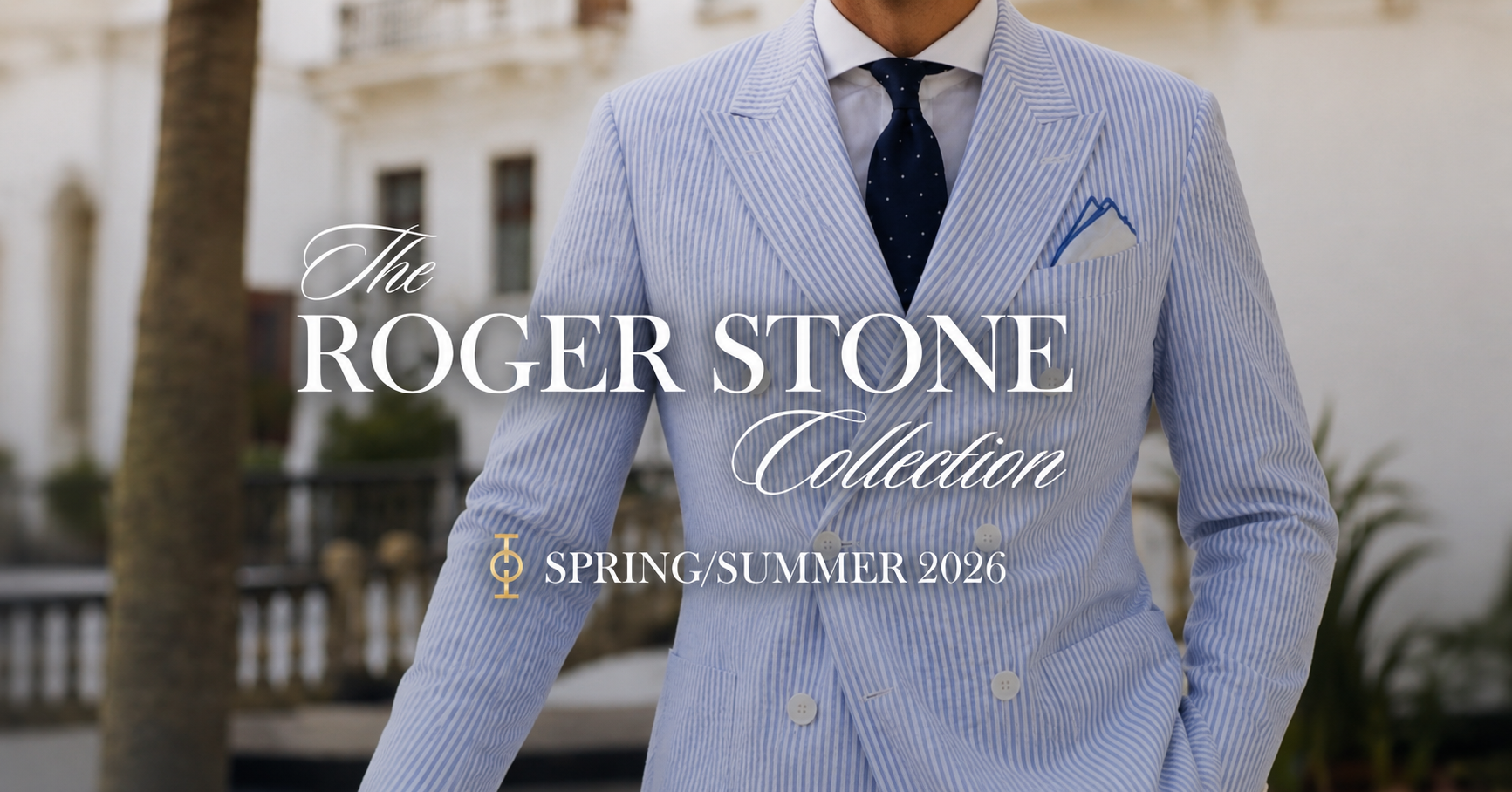
Linen pocket squares offer a more casual, textured appeal. The natural wrinkles add character, making them ideal for summer suits or less formal occasions. The crisp edge of a well-ironed linen square conveys effortless refinement.
The pocket square’s importance remains in its ability to add a polished look without overwhelming an outfit. In an era of increasingly casual dress, it reintroduces pleasant formality to menswear along with an individuality to tailored clothing.
Even without a tie, this finishing detail prevents a jacket from looking incomplete, visually balancing the upper body. With fewer men wearing ties, the pocket square has become even more important as a way to add interest and intentionality to outfits.
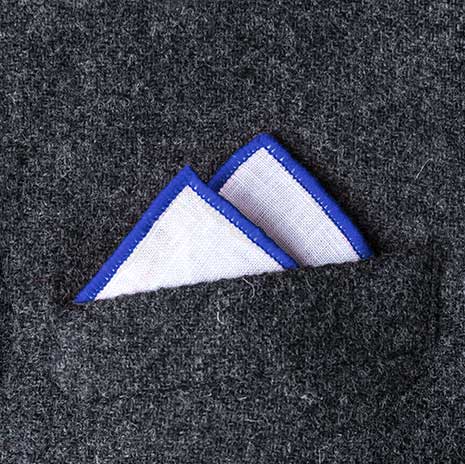
Folding techniques further enhance the visual impact. The presidential fold, a simple, flat square with a straight edge, marks classic restraint. The puff fold, with its casual volume, adds poise and personality. More elaborate styles like the winged peak or three-point fold suit those seeking bolder statements.
Scallop, shell, and rose folds feature curved or layered edges that are intentionally asymmetrical and uneven, adding texture and a touch of personality to the pocket square. Some multi-point folds are deliberately adjusted to be slightly off-center or left untamed, creating a relaxed, effortless appearance.
Wearing a pocket square demonstrates a self-styled awareness. It provokes a style that extends beyond basics to thoughtful details, signaling maturity and self-respect.
Essential for black-tie or white-tie events (often white linen or silk), it subtly communicates respect for the occassion, and a necessity in traditional menswear guides for balanced proportions.
Critics sometimes view pocket squares as pretentious or unnecessary. True aficionados argue quite the opposite; omitting this accessory leaves an outfit feeling unfinished, much like forgetting a belt or cufflinks. The breast pocket suddenly appears unbalanced and barre, if empty. This nuanced element transforms an ensemble from commonplace to elegantly distinguished.
Ultimately, the pocket square embodies the principle that genuine, unforced refinement resides in restrained precision. It requires minimal effort but delivers maximum effect, presenting effortless poise that transforms a standard suit into a personalized statement. Whether opting for silk’s sheen or cotton’s crispness, incorporating one is a necessity that reflects a commitment to refined living and enduring sophistication.