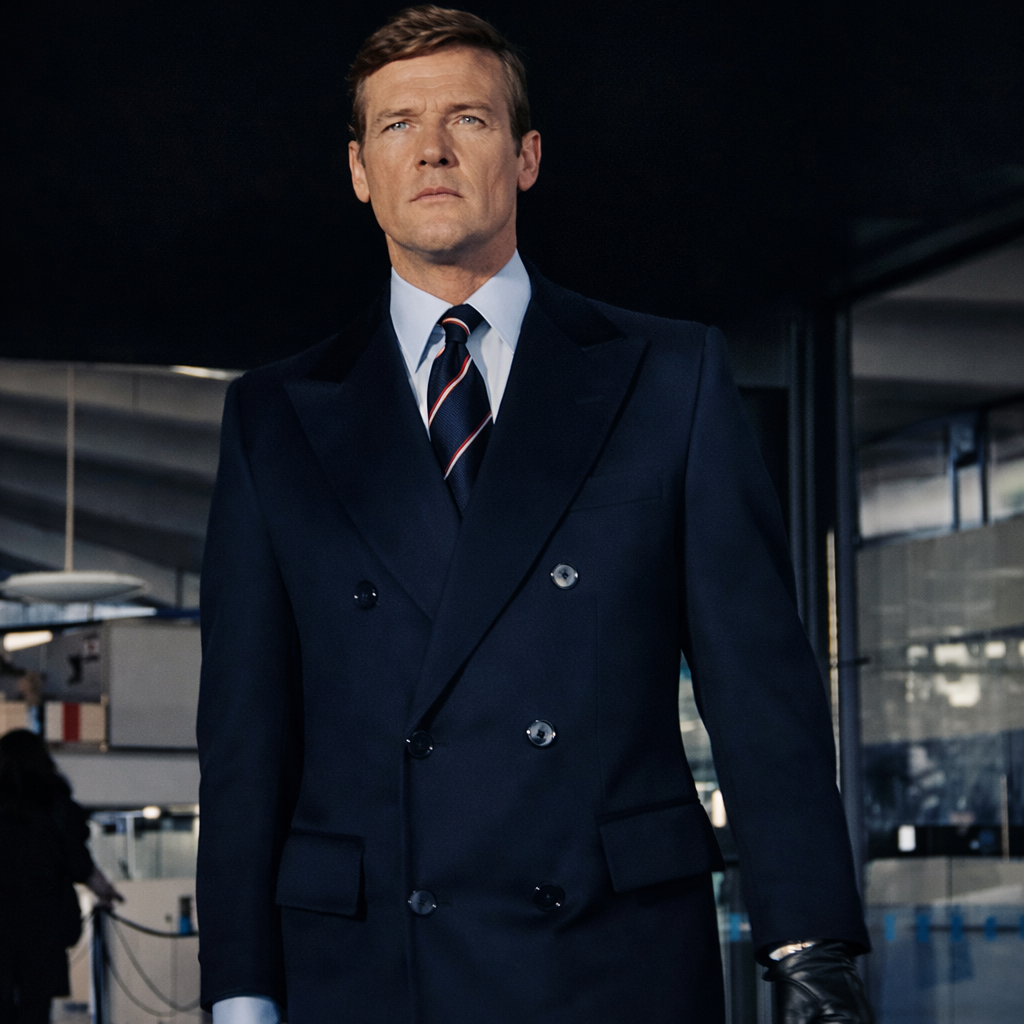
Sir Anthony Eden, later the 1st Earl of Avon, was born Robert Anthony Eden in 1897 at Windlestone Hall, his family’s estate in County Durham. Widely regarded as one of the most irresistibly dressed men in British public life—a dashing, glamorous symbol of refined tailoring whose magnetic refinement and film-star allure captivated Westminster and beyond—he became a central figure in 20th-century British politics.
In the early part of his career during the 1920s and early 1930s, Sir Anthony Eden had a youthful, handsome look as a rising Conservative MP and junior minister. He was often described as exceptionally good-looking, with a neatly trimmed mustache, wavy hair, impeccable attire, and an air of polished charm that made him a fashion leader among his peers.
Eden’s career, spanning the 1920s to 1957, earned frequent newspaper and menswear commentary for his distinctive sartorial flair, while politically he centered on tactful negotiation expertise, wartime contributions, and the Suez Crisis that ended his brief premiership (1955–1957) after succeeding Churchill as Prime Minister.
Beyond his political endeavors, Eden stood out for his extraordinary sense of style and charisma, earning him a reputation as one of the most well-dressed gentlemen in public life during his era. In an age of more unpretentious and understated conservative political dress, he brought a touch of sophistication and captivation that distinguished him from others in power.
His wardrobe reflected a meticulous attention to detail, favoring made-to-measure tailoring that complemented his tall, athletic build from his World War I service days. A trademark of Eden’s style was his preference for finely tailored lounge suits—single-breasted or double-breasted—crafted from high-quality fabrics like wool or pinstripes.
He often chose peaked lapels on his jackets, adding a bolder and more distinctive flair compared to the standard notched lapels common at the time. His suits were cut to create a slim, elegant silhouette, with shorter jackets and well-fitted trousers that conveyed both authority and modernity.
Waistcoats were a vital part of his signature ensembles, particularly in the mid-1930s. He frequently wore and essentially popularized, white or pale linen single-breasted waistcoats (often with a small collar) paired with darker lounge suits, creating a fresh, summery contrast that became a trademark look alongside his iconic black homburg hat during the interwar years.
Accessories played a pivotal role in completing his alluring presence. He carried his umbrella with a casual, almost languid prestige—swinging it lightly as he walked—while his ties and pocket squares upheld a restrained yet impeccable standard, injecting a fresh, tantalizing spark into his otherwise formal outfits.
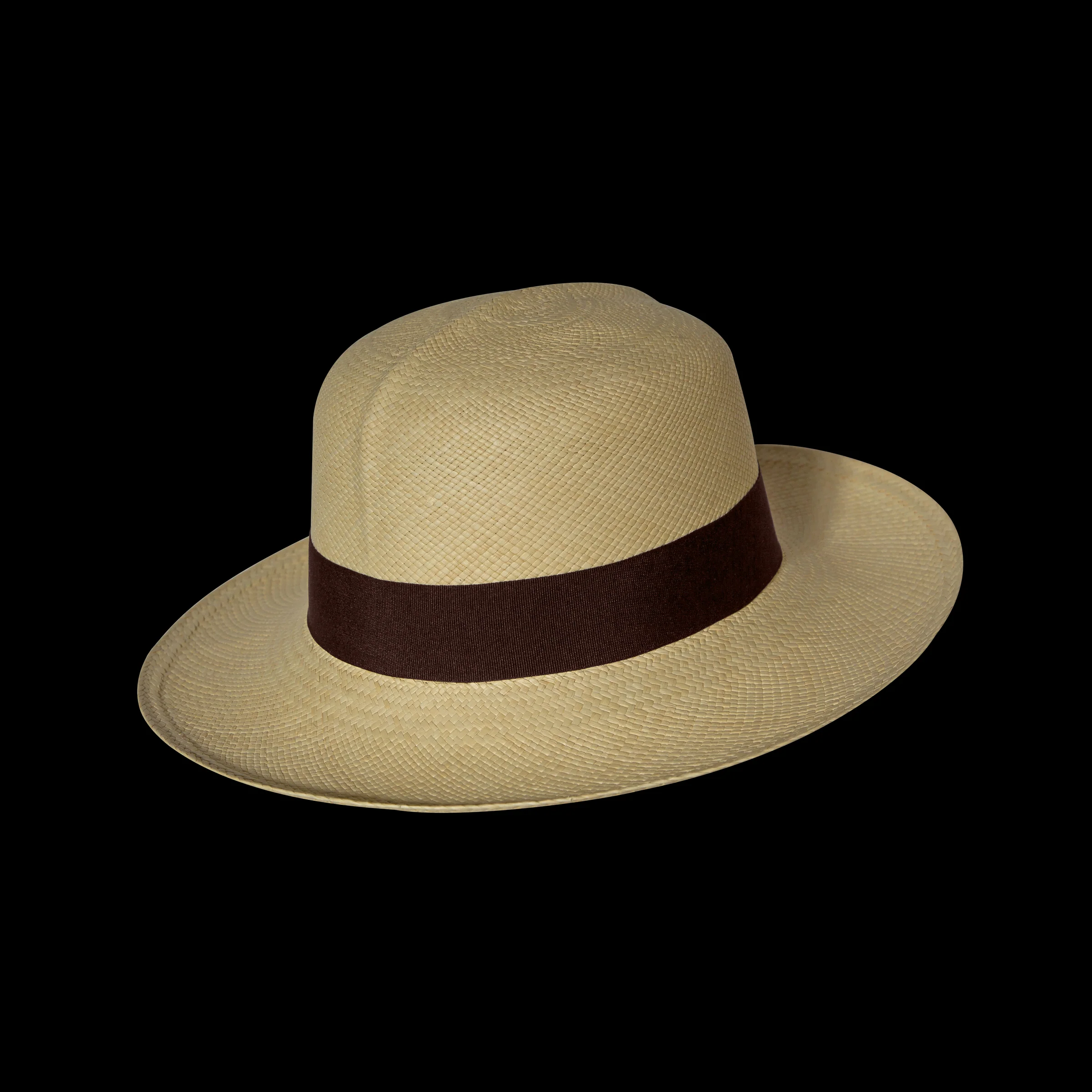
Perhaps the most enduring element of Eden’s sartorial legacy is the “Anthony Eden” hat: a black felt homburg with a silk brim and structured, upturned edge, which he wore consistently from the 1930s onward. At a time when many Brits favored trilbies or bowlers, Eden’s homburg brought an aura of continental sophistication to British streets. The hat became so closely identified with him that it was informally renamed in his honor and referred to simply as the “Eden” on Savile Row.
His ensembles suggested a man who understood the power of subtle details all while projecting refined finesse and irresistible appeal. This consistent presentation helped craft an image of a daring, cosmopolitan statesman during turbulent times.
Even in private or semi-formal settings, Eden maintained high standards of dress, often opting for well-cut overcoats that complemented his suits. He avoided flashiness entirely, favoring meticulous precision that blended timeless tradition with subtle personal flair, cementing his status as a genuine icon of elegance in political circles.
Eden earned the affectionate nickname “The Glamour Boy” in the 1930s for his impeccably neat, handsome, and urbane appearance, cementing his status as one of the most dashing figures in British politics. His striking good looks further inspired contemporaries, most famously Italian journalists, to dub him “Lord Eyelashes,” a lighthearted tribute to his long lashes and enduring charismatic allure.
Sir Anthony Eden’s wardrobe was more than personal preference—it was an integral part of his public identity, blending elegance with eminence, discipline, and subtle innovation in an era when politicians were expected to embody quiet, reserved restraint. A true icon of tailoring elegance, his reputation in menswear has endured long after his political career ended. Fashion historians and writers continue to cite him as one of the best-dressed leaders of the 20th century, with his homburg hat still referenced in discussions of timeless gentleman’s fashion. His approach demonstrated how thoughtful dressing grounded in traditional tailored craftsmanship could command public attention and create a cultural legacy that endures nearly a century later.